

Escape from Extinction
Rating: 9/10
Director: Matthew R. Brady
Writers: Alex Vincent Blumberg and Peter Meadows
Style: Documentary
Time: 1 hour and 29 minutes
Trailer: https://www.youtube.com/watch?v=q-TOSKUZwhU

Review by Mike Szymanski
Some of my earliest animal activism memories include saving money to send to save Keiko the Killer Whale who was the subject of the movie “Free Willy.” The plan was to release the confined creature into the wild, where he would be free again, away from that nasty corporate water zoo that was putting him on display and making him do tricks.
Well, it turns out that this documentary shows how those quarters I was collecting were going toward Keiko’s demise. He wasn’t ready to be sent off into the wild, and those activists who were protesting to “Free Willy” were misguided in their activism and ended up killing Keiko way before his time.
This documentary is a little sad, somewhat hopeful, and very scary. As the world looks at other horrors going on in recent history, the loss of so many irreplaceable species on our planet Earth is a continuing tragedy that often gets forgotten, or swept under the rug. It also shows how we are killing the planet by ignoring it all.
With tender music and songs by Lisa Loeb playing in the background, the facts are put on display in stark detail with a straightforward narration by Academy Award-winning actress Helen Mirren, who carries the weight of her winning role of “The Queen” as she tells the stories of the species facing extinction.
What I find most fascinating about the documentary is the amazing contributions that zoos and places like Sea World have helped in their contributions to the conservation and prevention of extinction of many endangered animals.
Yes, surprise! I remember hearing from my nephews that zoos should not be allowed, and they didn’t want to go to a zoo anymore because they didn’t believe in them. I took them to very high-quality zoos that were known for their baby programs, and their rescue programs. But, somehow they heard about the angry protests that want to set all the animals free.
Small chance we would ever see a lot of these animals in the wild if it weren’t for zoos. My earliest memories are of attending the Bronx Zoo, and that’s where a lot of the conservation movement started by a man named William Temple Hornaday, who was also instrumental in saving the Bison that roamed the American plains. He was the one who found that the nobel large creatures were hunted to near extinction and only about 1,000 were left.
So, Hornaday brought 15 Bison back to the Bronx and started a breeding program, and now the wild beasts number in the half million, mostly descended from those hearts he started.
This is no propagandist’s documentary. It’s researched and sponsored by the American Humane society, and it won several awards already including the Best Environmental Documentary at DOC LA.
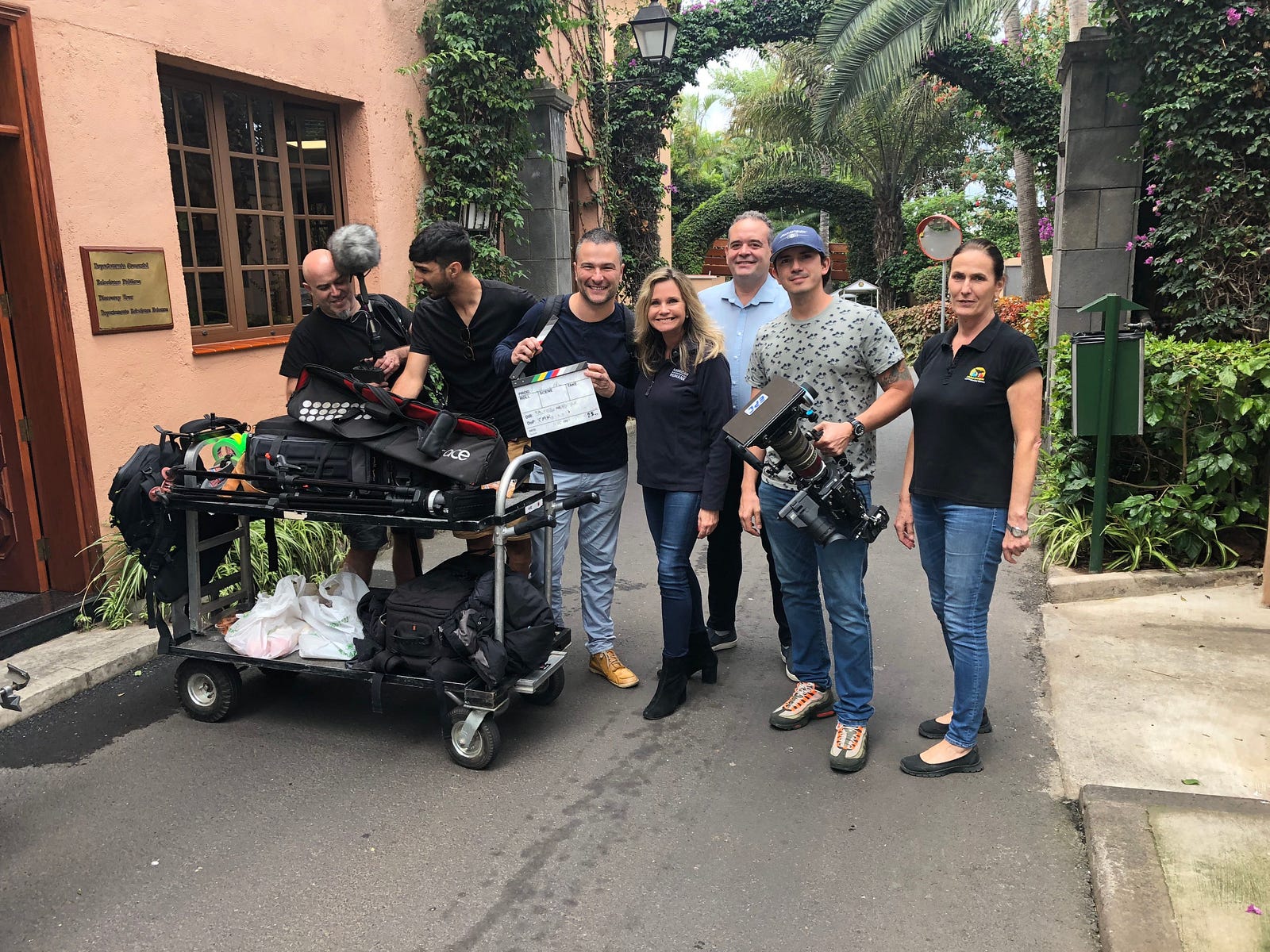
Director Matthew Brady, along with production partner American Humane, show how the controversy about zoos is somewhat misguided. The film shows how many reputable zoos actually protect endangered species from extinction.
Brady says, “Initially, I viewed them as places where my children could expand their knowledge about the natural world. However, my perspective underwent a profound transformation when I encountered a celebrity’s incendiary tweet castigating Sea World and condemning the purported abduction of animals from their native habitats.”
He adds, “Through the meticulous process of crafting this film, I experienced a humbling epiphany — I had been unequivocally mistaken and inundated with disinformation by individuals lacking the requisite background or scholarly grounding in the realm of conservation. My objective in producing this film was to utilize it as a medium to rectify these misconceptions.”
He shows the work of many scientists who have dedicated their lives to preventing extinction of certain species of animals.
“What may come as a surprise to some is that boycotting a reputable zoo can inadvertently exacerbate the very issues one intends to combat,” Brady warned. “Such actions, however well-intentioned, may inadvertently inflict harm upon the animals that people seek to protect. The dissemination of this crucial insight is the chief impetus behind the creation of our film.”
And the film crew goes to every corner of the world to show its case.
For example, the flightless bird called the Kakapo is something you’ve never seen or heard of before probably, but it is a most fascinating creature that lives in New Zealand and breeds only every two to four years. Kind of like a big Dodo bird, that is no more, the way Loro Parque helped this species is to create a moving 3-D printed off that they give to the mother and then artificially incubate the egg, and then replace it when they are about to hatch.
In another case, the Pere David’s Deer only numbered 18 in the whole world, found only in private menageries. The deer went extinct when it became the only food source for much of the Asian continent during periods of cold and famine. Now, thanks to some breeding programs, there are 5,000 of the dainty deer.
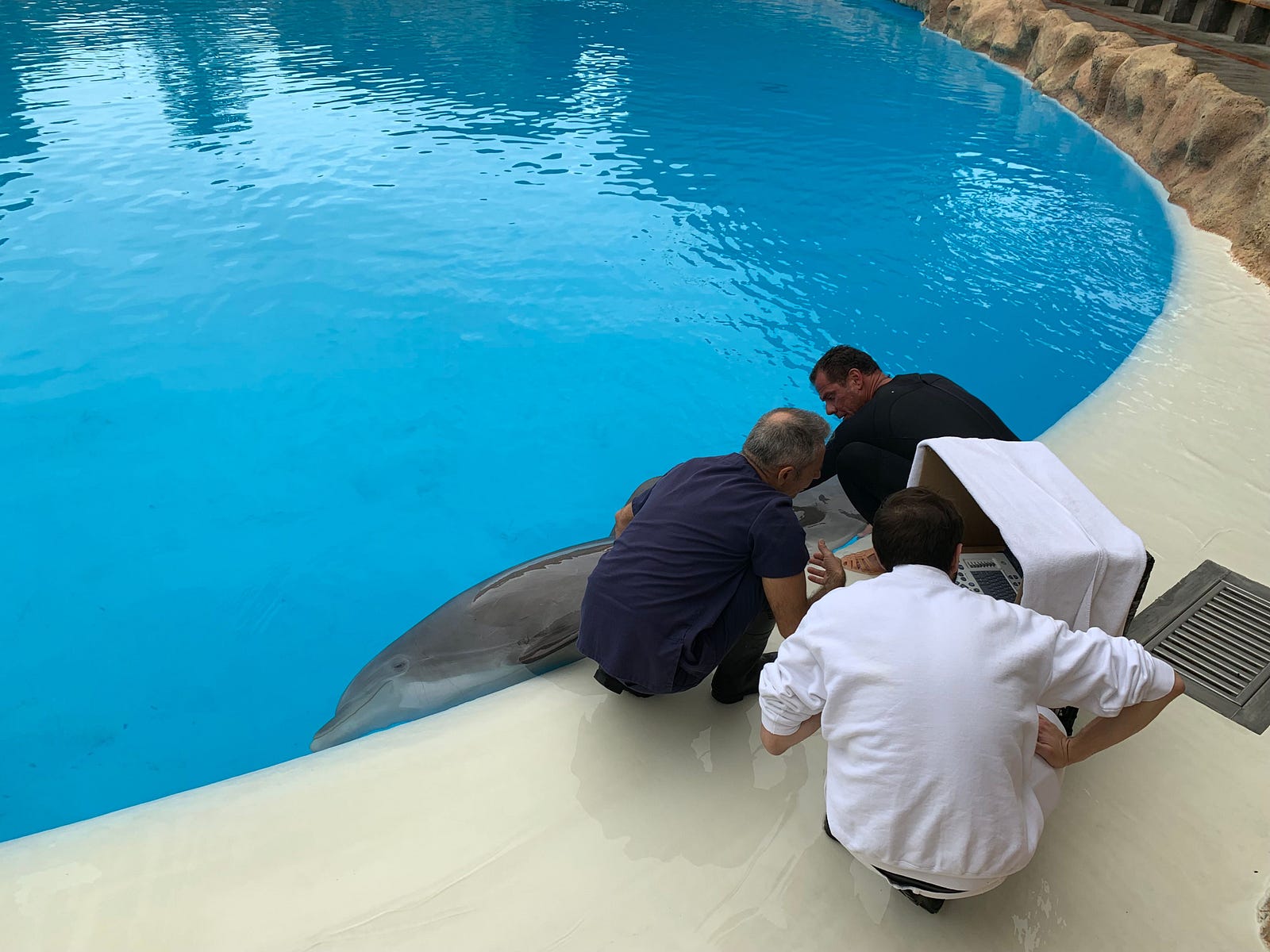
Whooping cranes were down to 29 in number, and then a hurricane wiped out all but one in Louisiana. But, the San Antonio Zoo created a breeding program and reintroduced them back into the wild. Now, 849 of the birds exist.
Behind the scenes at Sea World is an oil wildlife care facility that takes in animals that need to be cared for after an oil spill. The experts there jumped into action during the 1989 Exxon Valdez oil spill, and have saved 36,000 creatures since 1964.
From saving elephants in Africa, to cuddly little polar bears in Alaska, this documentary shows how man’s encroachment int the animal world is creating more and more problems for them. Dramatic video of elephants crashing through a village and smashing bikes, or ramming cars head-on show how they resent the eradication of the rain forests where they thrive.
For those of us in Los Angeles, we know about the cougar problems, and how more than 100 are killed on the freeways every year. Some of that is explored in the documentary, and it shows some of the extreme measures, such as wildlife bridges over the freeways, are being planed.
From the Tree Kangaroo in Papua New Guinea to the Orangutans in Borneo, devastation of the animals is shown as dire and serious. Rainforests are being leveled for palm oil which is used in a great deal of stuff sold in supermarkets. It takes 1,000 years to re-grow a rainforest.
And then, there’s the levels of plastic killing sea life. More than 95 percent of all plastic created on the planet still exists the planet. More cringe-worthy is the statistic that 9 million metric tons of plastic is introduced into the waters every year.
Find a favorite nearly-extinct animal in these dozens of stories, and you can find a way to help them out.
This documentary was released in April 2023 and is available on Peacock and Amazon Prime.
###


 Dreamweaverarts
You must be logged in to post a comment.